Geopolitical shock: What will give Russia the entry of Turkey into the BRICS?
The other day, Turkish President Erdogan expressed a desire for BRICS to accept his country into the friendly ranks of this international association:
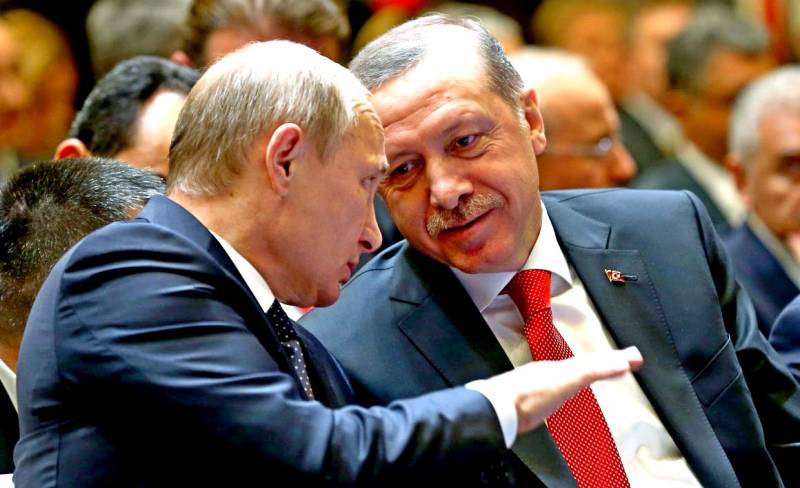
Is Ankara possible to join the BRICS today, and why do some experts call this event a “geopolitical shock”?
First you need to figure out what BRICS is, and how you can become one of the “bricks” in general. It is known that this term was coined and easily introduced into mass use by an American financial analyst to designate the five countries of greatest investment interest due to high rates of economic growth. Really, economy Today, China as a member of the BRICS ranks second in the world after the main competitor in the person of the United States, its GDP is 12 trillion dollars. 2,6 trillion in India, a little more than 1,5 in Russia, over 2 trillion in Brazil. The performance is very impressive. BRICS has created its own development bank, its goal is to reduce dependence on the US currency and invest in its own projects as opposed to Western financial institutions.
Gradually, the BRICS is moving towards the formation of a multipolar world system. However, all its members are sovereign states. Moreover, some of the BRICS members have their own difficult relationships, for example, between India and China. This informal alliance is not military-political. The truest definition of “bricks” is a club based on the interests of developing countries that keep US figs in their pockets. There is not even a formalized regulation on the admission of a new participant or its exclusion.
Why BRICS Turkey? On the one hand, its economy is developing and takes 17th place in the world in terms of GDP. At purchasing power parity, it is even ahead of China. On the other hand, today Turkey is going through hard times. The national currency depreciated in the country, inflation increased sharply due to rising costs. Turkish industry and agriculture need foreign investment and new markets. Given the fact that Ankara has not been allowed into the European Union for all these years, the reorientation to the BRICS countries seems rational and pragmatic.
Why BRICS Turkey? First of all, this is a new market for China’s products, why Beijing has reacted so warmly to Erdogan’s initiative. As the trade confrontation continues between the US and China, China needs any help, especially the country located so favorably between Europe and Asia. Despite participation in NATO, the Turkish president proved that he is able to conduct independent policies, including, contrary to the interests of Washington, greatly spoiling relations with the administration of Donald trump. Russia, for its part, is building the Turkish Stream, and is conducting major arms sales deals for Ankara. Experts are convinced:
It is possible that the European Union may regret not having accepted Turkey into its membership for all these years. However, it is necessary to mention about difficult points.
At first, Ankara claims to be a leader in the Turkic world, which in the future may lead to a clash with the interests of Moscow in Kazakhstan and Kyrgyzstan.
Secondly, Russia and Turkey have conflicting interests in the Syrian conflict, and the blood of Russian soldiers is already in the hands of the Turkish military. There are no guarantees that the confrontation will not resume in the future. In addition, Turkey is a member of NATO and does not plan to leave the anti-Russian military alliance.
Thirdly, the ruling Turkish regime has an ambiguous reputation, which may prevent the admission of new members to the BRICST.
- declared the Russian president. It is not surprising that the expansion of the informal club at the expense of Turkey so far raises many questions.
If you take us to this platform, it will be named BRICST.
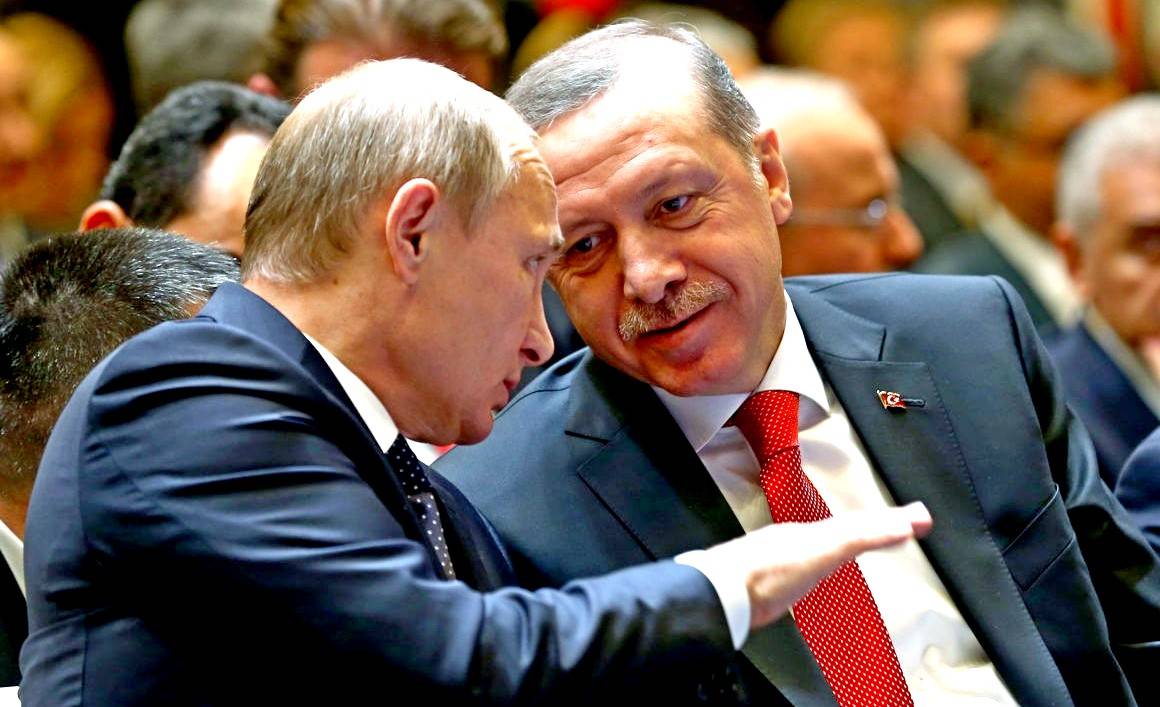
Is Ankara possible to join the BRICS today, and why do some experts call this event a “geopolitical shock”?
First you need to figure out what BRICS is, and how you can become one of the “bricks” in general. It is known that this term was coined and easily introduced into mass use by an American financial analyst to designate the five countries of greatest investment interest due to high rates of economic growth. Really, economy Today, China as a member of the BRICS ranks second in the world after the main competitor in the person of the United States, its GDP is 12 trillion dollars. 2,6 trillion in India, a little more than 1,5 in Russia, over 2 trillion in Brazil. The performance is very impressive. BRICS has created its own development bank, its goal is to reduce dependence on the US currency and invest in its own projects as opposed to Western financial institutions.
Gradually, the BRICS is moving towards the formation of a multipolar world system. However, all its members are sovereign states. Moreover, some of the BRICS members have their own difficult relationships, for example, between India and China. This informal alliance is not military-political. The truest definition of “bricks” is a club based on the interests of developing countries that keep US figs in their pockets. There is not even a formalized regulation on the admission of a new participant or its exclusion.
Why BRICS Turkey? On the one hand, its economy is developing and takes 17th place in the world in terms of GDP. At purchasing power parity, it is even ahead of China. On the other hand, today Turkey is going through hard times. The national currency depreciated in the country, inflation increased sharply due to rising costs. Turkish industry and agriculture need foreign investment and new markets. Given the fact that Ankara has not been allowed into the European Union for all these years, the reorientation to the BRICS countries seems rational and pragmatic.
Why BRICS Turkey? First of all, this is a new market for China’s products, why Beijing has reacted so warmly to Erdogan’s initiative. As the trade confrontation continues between the US and China, China needs any help, especially the country located so favorably between Europe and Asia. Despite participation in NATO, the Turkish president proved that he is able to conduct independent policies, including, contrary to the interests of Washington, greatly spoiling relations with the administration of Donald trump. Russia, for its part, is building the Turkish Stream, and is conducting major arms sales deals for Ankara. Experts are convinced:
Geopolitically, Turkey will not be replaced by any other country in the region, therefore Turkey’s entry into the block of countries with the Russia-China vector is a serious geopolitical shock for Europe and the USA
It is possible that the European Union may regret not having accepted Turkey into its membership for all these years. However, it is necessary to mention about difficult points.
At first, Ankara claims to be a leader in the Turkic world, which in the future may lead to a clash with the interests of Moscow in Kazakhstan and Kyrgyzstan.
Secondly, Russia and Turkey have conflicting interests in the Syrian conflict, and the blood of Russian soldiers is already in the hands of the Turkish military. There are no guarantees that the confrontation will not resume in the future. In addition, Turkey is a member of NATO and does not plan to leave the anti-Russian military alliance.
Thirdly, the ruling Turkish regime has an ambiguous reputation, which may prevent the admission of new members to the BRICST.
Now we are not planning to officially increase the number of BRICS members, because the formats that have developed show their effectiveness
- declared the Russian president. It is not surprising that the expansion of the informal club at the expense of Turkey so far raises many questions.
Information