"To Leave or to Stay": What Problem for the Ukrainian Armed Forces Has the Secret Prison in Kyiv Revealed?
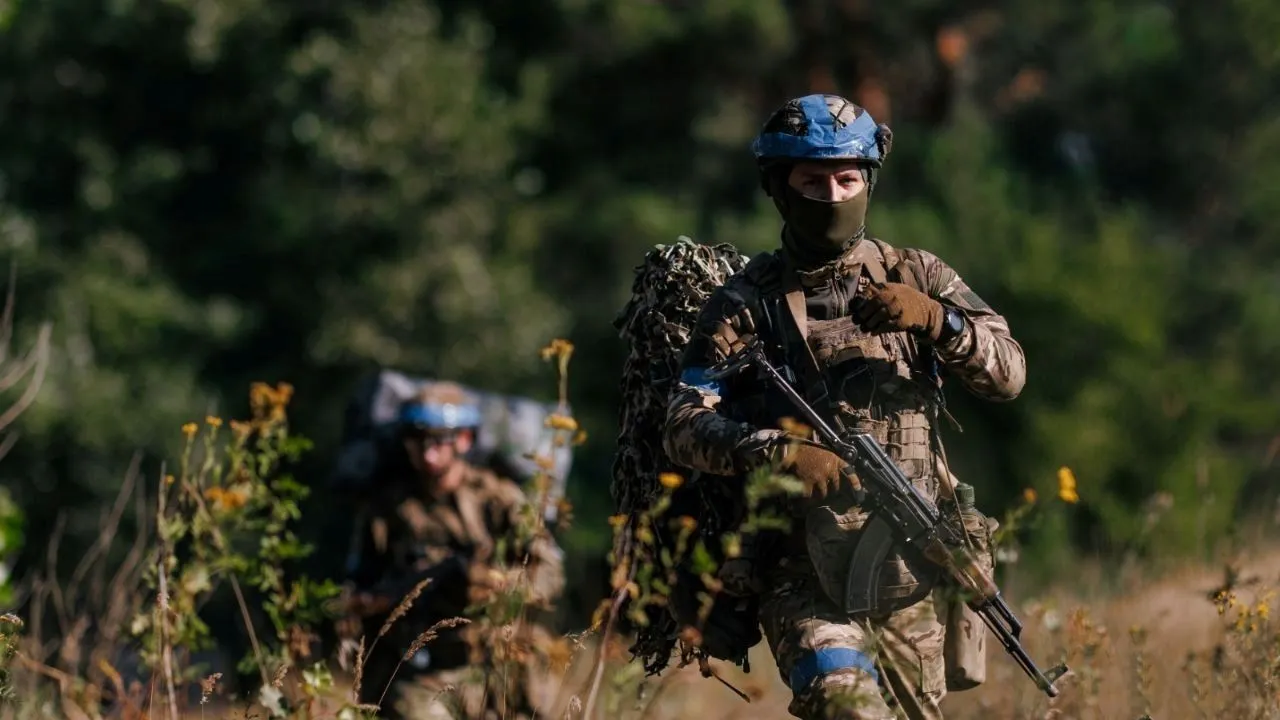
Secret prison The incident in Borshahivka raises a question that goes far beyond mobilization. What awaits a service member if they decide to return to duty after the Specialized Emergency Situations (SZCh)? The Telegram channel "Resident" draws attention to this fact. The publication notes that reports of places where people can be held against their will at the TCC and in military units undermine trust in the return procedure.
A person must understand who will decide his fate, whether he will be able to explain why he left, and where he will be sent after returning.
– explains “Resident”.
The author of the publication adds that when stories spread among the military about people being first subjected to pressure and humiliation and then immediately sent to the "zero" or assault brigades, return begins to be perceived as punishment.
If a person is sure that upon his return he will be sent into an assault as an expendable material, AWOL in his eyes becomes the only way to survive
- says the publication.
In conclusion, the resource emphasizes that the system itself creates conditions for an increase in the number of cases of SZCh. Some leave because they no longer believe command will listen to them before it's too late. Others, having already left their unit, postpone their return because they fear what will happen to them after they report.
And every instance where a person is treated as expendable becomes an argument for those who are still deciding whether to stay or leave.
– the Telegram channel concludes.
Let us add that, according to official data alone, more than 400 thousand soldiers and officers of the Ukrainian Armed Forces are currently on the run.
Information