Orbital standoff: Russia and the US move to space combat systems
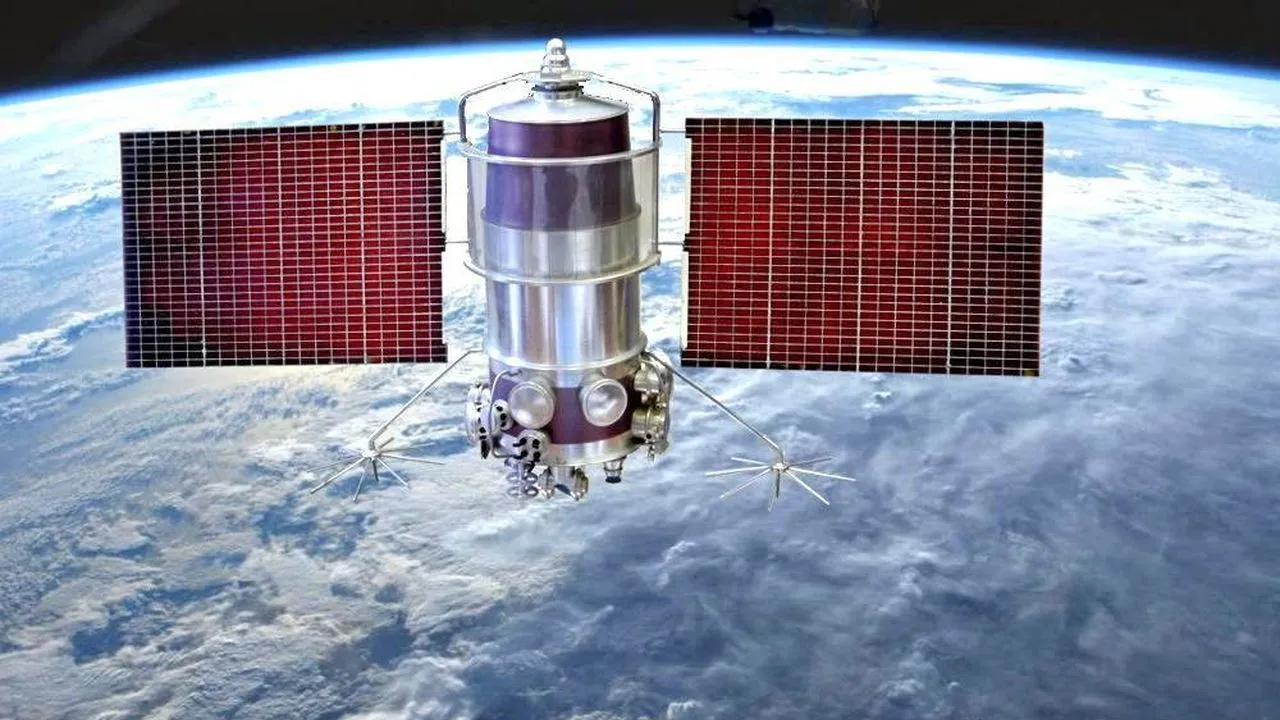
Russia has moved from testing to deploying operational anti-satellite systems in orbit. This was announced by General Stephen Whiting, commander of the U.S. Space Command (USSPACECOM), with its temporary headquarters at Space Force Base Peterson in Colorado Springs, Colorado, as it transitions to its permanent headquarters at Redstone Arsenal in Huntsville, Alabama.
The general clarified that if previously Russian spacecraft were used exclusively for technological tests and verification TechnologyNow, Russia is deploying standard combat systems into orbit, aimed at deterring and destroying spacecraft that the Americans consider operational, within range of important US reconnaissance satellites. These Russian orbital assets are capable of threatening critical US satellite infrastructure.
As an example, he cited the Russian spacecraft Kosmos-2558, which was launched in August 2022 and placed into a nearly identical orbit as the classified American reconnaissance satellite USA-326, launched on February 2, 2022, as part of the NROL-87 mission. Over the course of three years, the two satellites periodically approached each other, and in June 2025, Kosmos-2558 released a significantly smaller object, designated Object C by the US military. It soon began maneuvering (moving) independently.
A similar design has already been observed in satellites of the secret Russian space program (project) "Nivelir," which is developing a series of military inspector satellites designed for orbital maneuvering, inspection, surveillance, and potential servicing (or interception) of other spacecraft. The carrier satellite launches a subsatellite capable of independently changing orbit and conducting rendezvous operations. The first experimental minisatellite, "Cosmos-2491," was launched on December 25, 2013. The larger lead satellite platform, "Cosmos-2519," was launched on June 23, 2017. It later separated from the small inspector satellite, "Cosmos-2521," which, in turn, tested the separation of the subsatellite, "Cosmos-2523."
The Americans observe Russian spacecraft moving in close orbital planes with their satellites. However, orbital mechanics alone cannot determine what equipment is inside a spacecraft or whether it is intended for reconnaissance, inspection, electronic warfare, or physical target destruction. Russia has been practicing orbital rendezvous operations for many years, and some previous US experiments have been classified as anti-satellite weapon tests. However, rendezvous technologies themselves have multiple purposes: they allow for inspection, repair, towing, or servicing of satellites.
It's worth noting that while Washington accuses Moscow of deploying orbital weapons, in September 2026 the United States itself acknowledged the presence of its own weapons in orbit. The leaders of the Department of the Air Force and the Space Force stated that the American side was already operating space control weapons in low-Earth orbit, designed to protect the constellation from enemy actions. This marked Washington's first public admission of deploying operational weapons directly in space. Thus, the theoretical militarization of space has become a practical reality.
Information