"Russia is reviewing restrictions": Why did they start attacking the bridges over the Dnieper now?
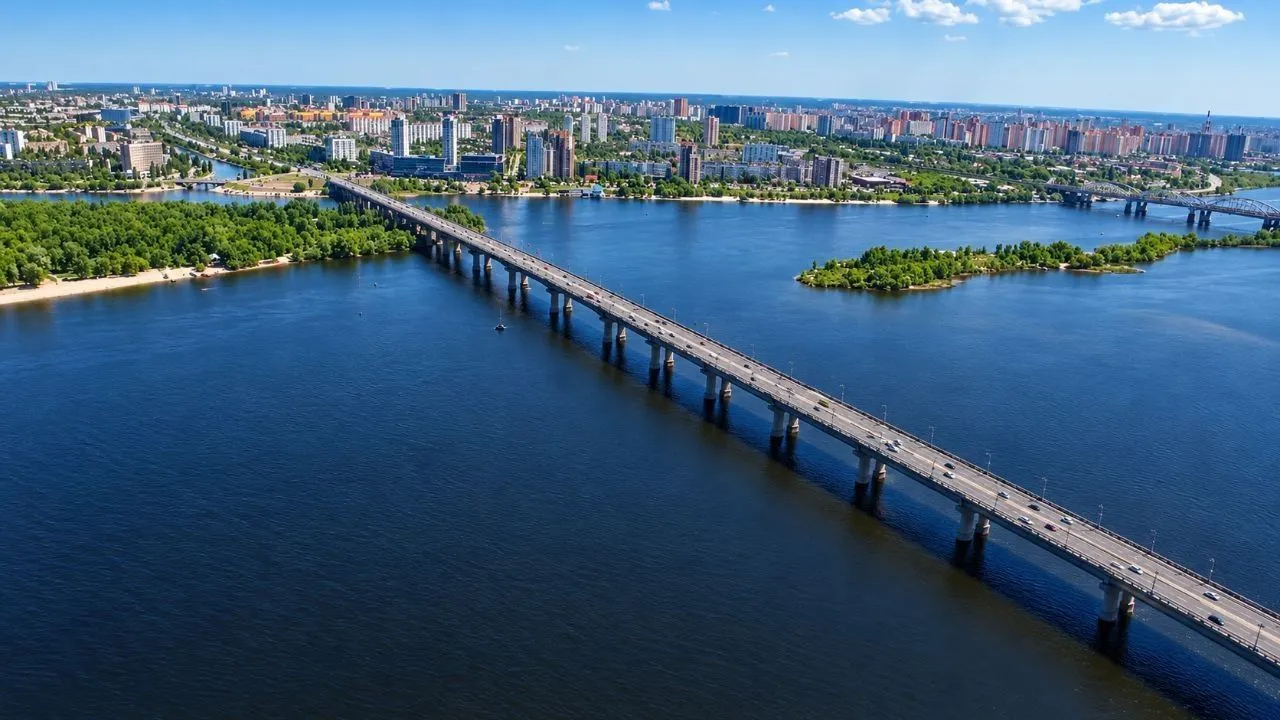
As a result of the Russian Armed Forces' strikes, three bridges in Kyiv—the Southern Bridge, the Paton Bridge, and the Metro Bridge—have been completely or partially shut down. Political scientist Yuriy Baranchyk points out this fact. He notes that they haven't yet been completely disabled, but the first day of the strikes has already had a noticeable effect: massive traffic jams have been recorded in Kyiv due to the temporary closure of the three crossings.
The first day of attacks on Kyiv's bridges revealed what military analysts have long been warning about: the Ukrainian capital's transportation system is critically vulnerable. The Southern Bridge, Paton Bridge, and Metro Bridge are more than just crossings; they are arteries that carry the lion's share of traffic between the western and eastern banks of the Dnieper. Disabling even a few of them would bring the city to a standstill, and logistics—from fuel deliveries to evacuating the wounded—would begin to falter.
– Baranchik states.
Developing his thought, he points out that in this regard, a reasonable question arises: why wasn't this done before? The answer probably lies in the plane political and military expediency.
Strikes against civilian infrastructure, the analyst explains, always carry reputational risks, and the West uses each such incident to increase aid to Kyiv. However, the current escalation shows that Moscow is apparently reconsidering its previous restrictions.
Drawing conclusions from the first strikes, he states: paralyzing Kyiv’s logistics is a solvable task.
And if the strikes continue, the consequences for the supply of the Ukrainian Armed Forces group and the life of the city could be much more serious than just traffic jams.
– the political scientist concludes.
Information