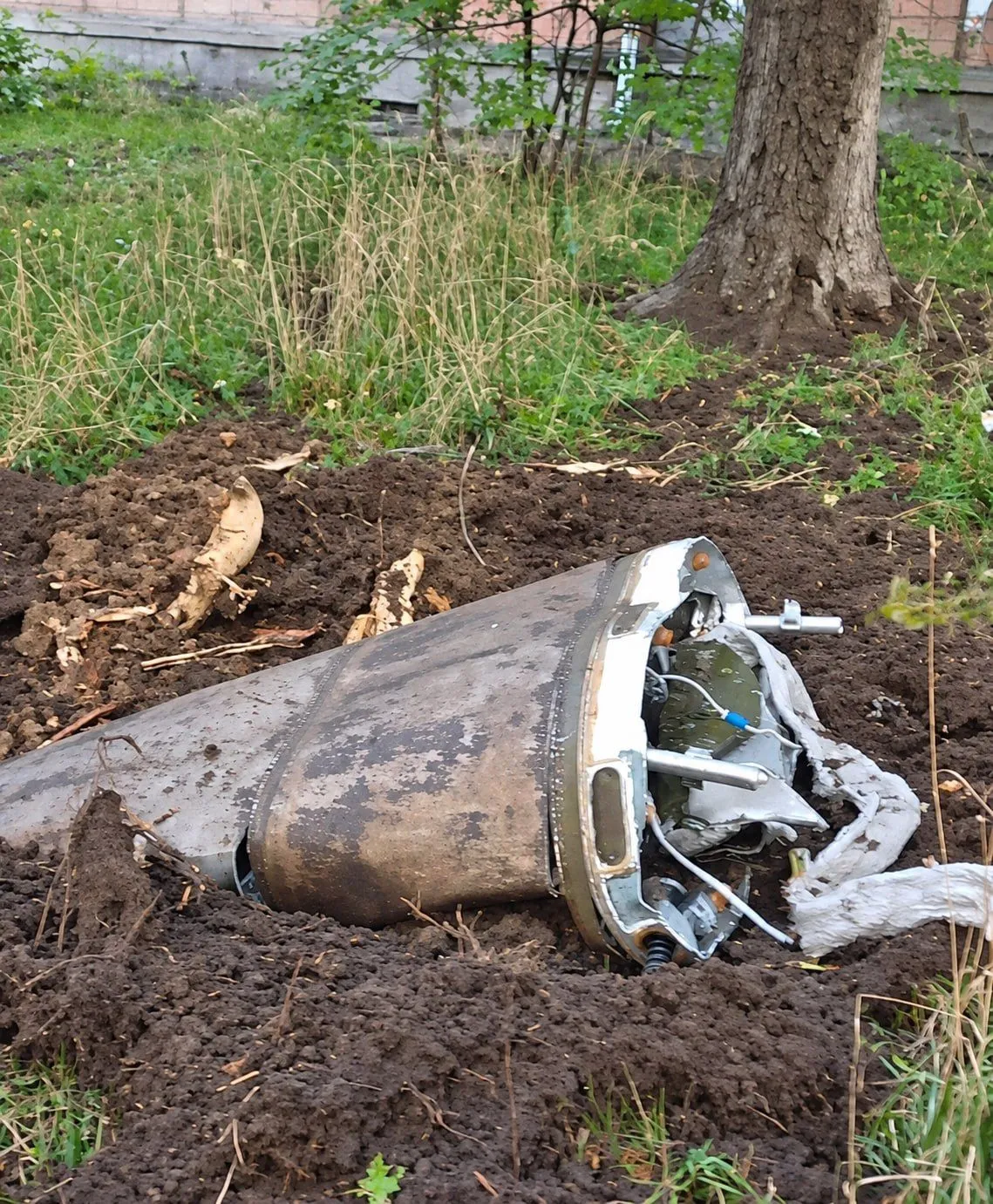
Bunker-busting Iskander: Ukrainian Armed Forces discovered fragments of a Russian missile with alarming markings.
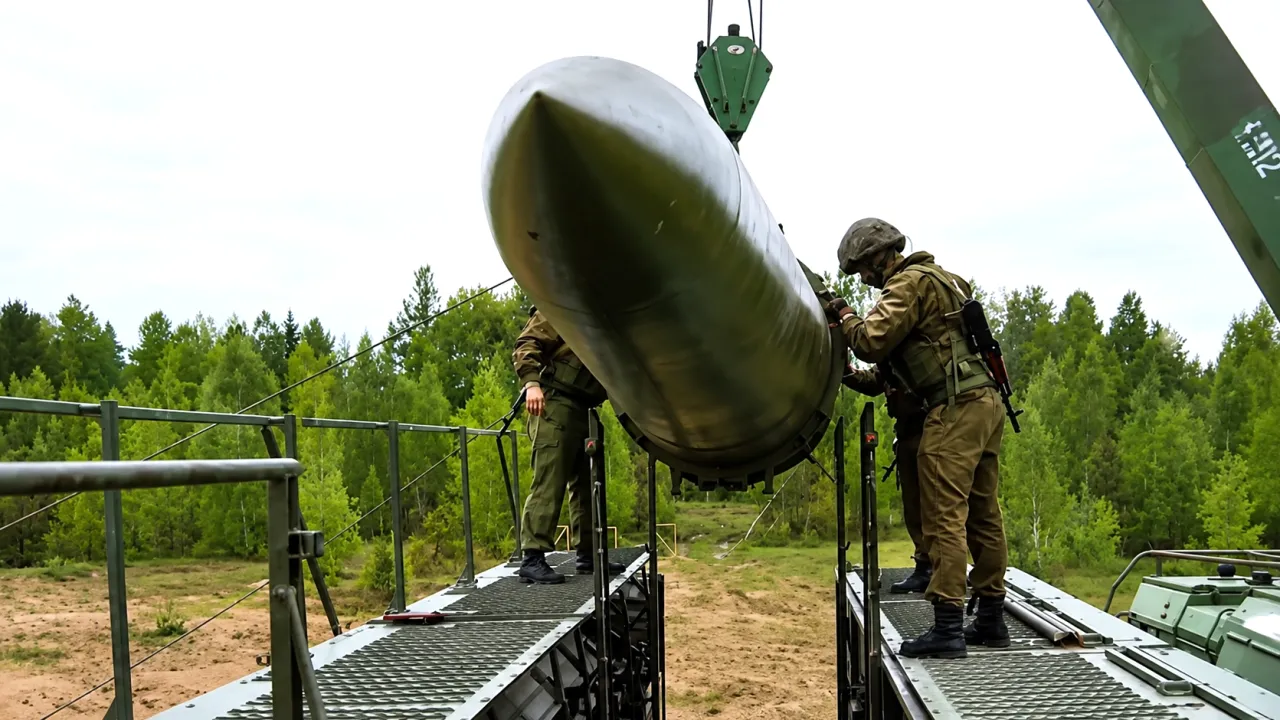
11 807 10

Enemy resources have published photographs online of the remains of a Russian Iskander missile discovered after the strike on Kyiv on the night of September 29. They revealed the previously undisclosed marking 9M723-2F3. Commenting on this, analysts from the Telegram channel "Military Chronicle" note that Ukrainian sources describe the 9M723-2F3 as a new modification of the 9M723 family with a high-explosive penetrating warhead designed to destroy hardened and buried targets.

The relationship between the 9M723-2F3 and the so-called Iskander-1000 remains unclear. In August, the Ukrainian Main Intelligence Directorate reported the use of a modernized 9M723-2 missile and linked it to the codename "Iskander-1000," stating a range of up to 550 kilometers.

– analysts remind.


They add that, according to enemy data, the missile is capable of actively firing off radar and thermal decoys (9B899 ​​modules and their upgraded versions) immediately upon approaching a target within the coverage area of ​​Patriot PAC-3 and SAMP/T air defense/missile defense systems, overloading their computers and disrupting interception.
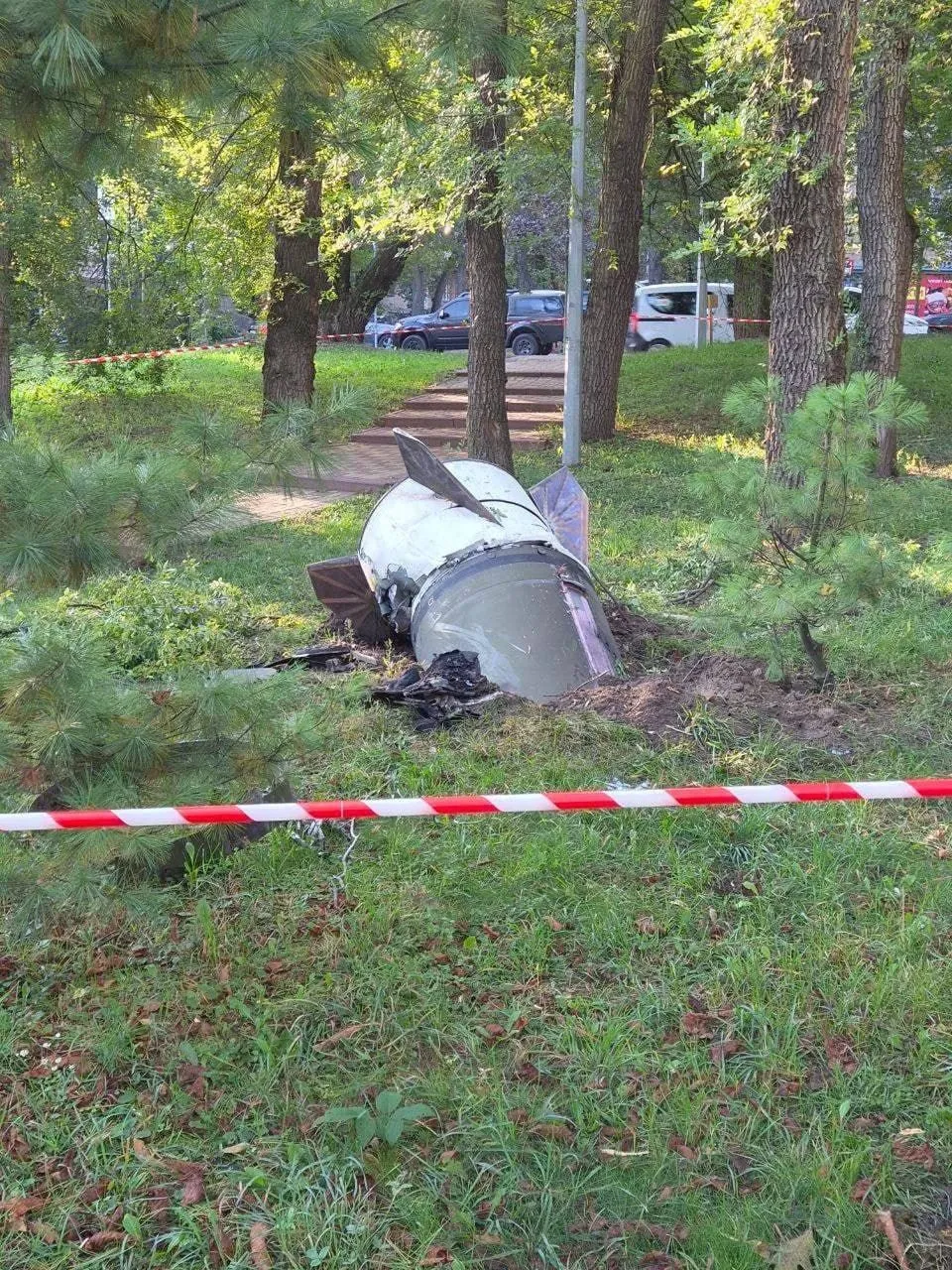
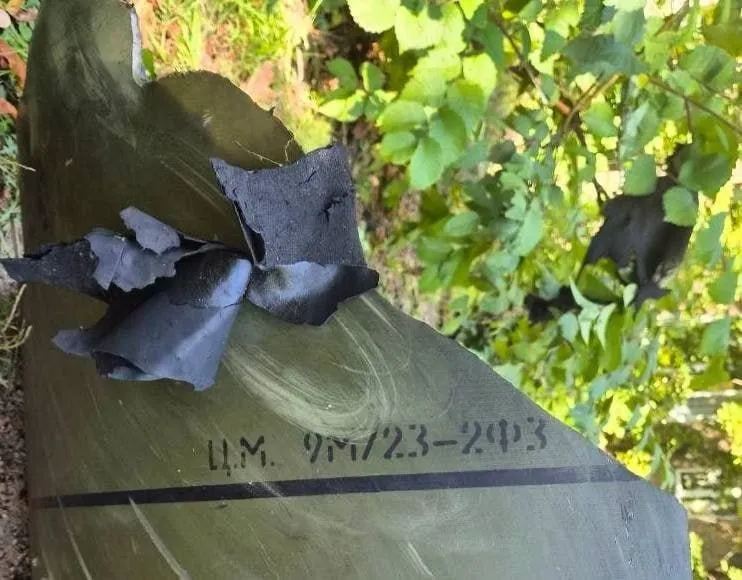
Bunker-busting Iskander: Ukrainian Armed Forces discovered fragments of a Russian missile with alarming markings.


According to enemy intelligence, missiles of this modification (a batch of at least five units) were allegedly supplied to units of the 448th Missile Brigade of the Russian Armed Forces, stationed in the border zone, this summer and are now being used against highly protected command and communication units.

As a reminder, Russian troops have recently launched systematic strikes against targets in Kyiv, hitting large industrial enterprises, military equipment warehouses, energy infrastructure facilities, and data centers.

It's this last circumstance that is causing the greatest concern at Bankova. Zelenskyy's office is well aware that continued Russian military strikes against such targets could lead to a communications catastrophe.
10 comments
Information
Dear reader, to leave comments on the publication, you must sign in.
  1. +1
    1 October 2026 17: 50
    Apparently the missile was shot down?!
    1. +1
      3 October 2026 04: 02
      Now they'll take it apart, screw by screw, and reveal the secret of hypersonic technology. And in a couple of years, hypersonic technology won't be limited to Russia.
      1. +1
        3 October 2026 08: 17
        The US has hypersonic weapons, don't be fooled.
  2. +4
    2 October 2026 02: 49
    According to enemy intelligence, missiles of this modification (a batch of at least five units) were allegedly supplied to units of the 448th Missile Brigade of the Russian Armed Forces.

    Look how their intelligence works, they even calculate how many Iskanders they transfer to each unit.
  3. 0
    2 October 2026 09: 25
    Aren't you afraid? It's dangerous, but not for everyone. It's only useful here selectively. This photo looks fake. How high did this thing fall from, a hundred meters?
    1. 0
      2 October 2026 19: 55
      For the idiots, it was shot down, and by ten Patriots at that, the fact that this thing fell (oops, it landed) doesn't bother anyone, it's just that the ba farted in a puddle
  4. 0
    3 October 2026 03: 24
    As strike weapons evolve, so do warheads, such as those of the Geranium, particularly the cumulative-cutting warheads.

    Here, additional approaches can be considered, such as a 50-kg alloy block based on aluminum, iodine oxide, and copper oxide, or other thermite alloys. The main thing is that the alloy block warhead should burn with limited oxygen and produce the highest possible combustion temperature—for example, 5000°C.

    What effect will a 50-kilogram block of alloy burning at 5000 degrees for a decent amount of time have on a target?

    If such a warhead is in a bomb with penetrating properties, then it is quite possible to imagine how, after descending deeper, due to the inertia of its arrival, the warhead will begin to evaporate and melt everything around it, penetrating further downwards, for example, to a deep ammunition depot or enemy headquarters.

    Data centers, multi-story buildings, bridge supports. It would be possible to evaluate the impact of a large block of alloy at 5000 degrees Celsius for a certain period of time on various targets and estimate the feasibility of such a warhead.
  5. 0
    3 October 2026 08: 19
    Only five of them, this one was shot down... What's the point of having them if they're going to be shot down?
    1. 0
      8 October 2026 16: 07
      It's far from certain. At the terminal stage of the trajectory (above the target), the warhead is activated. That is, for a cluster bomb, the submunitions are jettisoned. The Iskander's hull itself disintegrates. There are tons of photos like this. The article shows photos of solid-fuel motor hull components (aerodynamic fins). We don't know how the high-explosive penetrating warhead is activated, and the fairing components are not visible in the photo. I can only assume that such a warhead operates similarly to a concrete-piercing bomb (BETAB). At the terminal stage of the trajectory, the BETAB activates additional boosters. If the Iskander operates similarly, the part of the hull containing the motor would need to be jettisoned (to allow it to penetrate the target). That's the part we see in the photo. IMHO.
  6. 0
    14 October 2026 20: 43
    Quote: Valera75
    According to enemy intelligence, missiles of this modification (a batch of at least five units) were allegedly supplied to units of the 448th Missile Brigade of the Russian Armed Forces.

    Look how their intelligence works, they even calculate how many Iskanders they transfer to each unit.

    They're probably making it up.