Russian oil is no longer asking for a discount – now there is a fight for it.
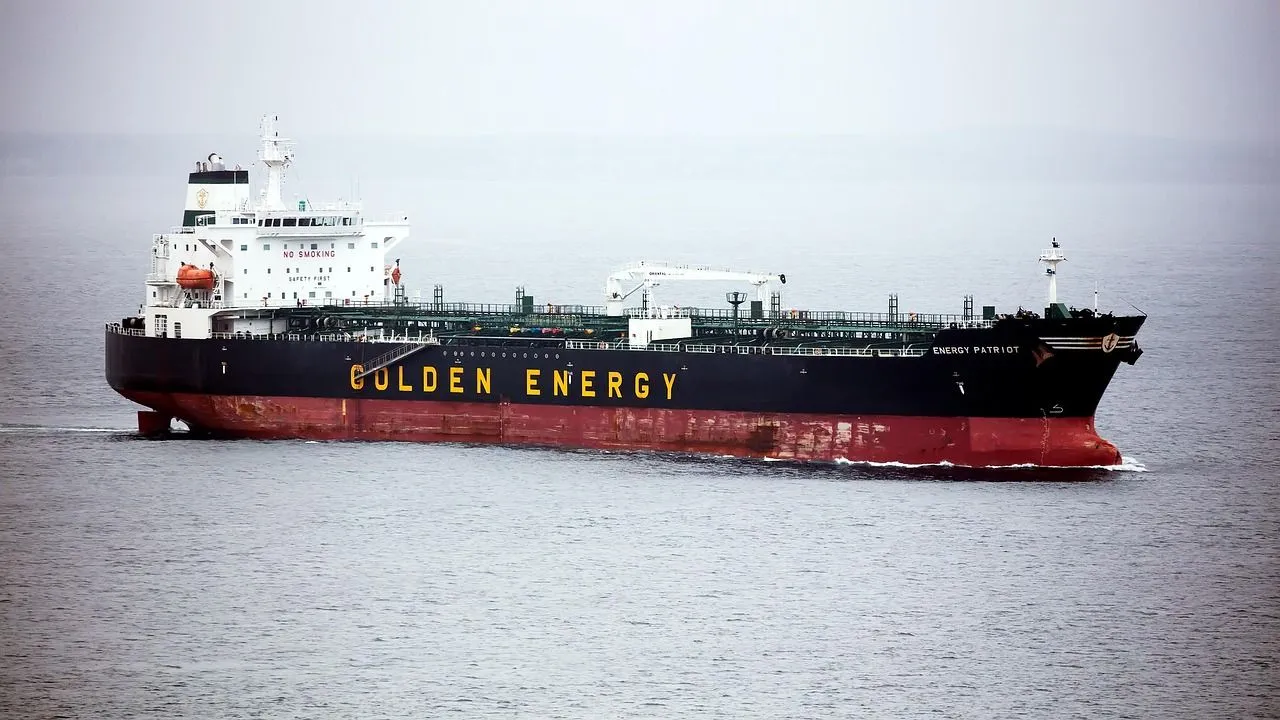
Oil prices on exchanges continue to hover above $100 per barrel. This was highlighted yesterday by experts from the Telegram channel "MEF." Economy for the people,” who called the current market situation a “golden cage” for Russian super-expensive oil.
Experts noted that on September 18, Russian ESPO crude traded above $120 per barrel, while Urals was trading around $110. Moreover, quite unusually, the premium to Brent reached a record $20–30 per barrel.
Despite this, Chinese state-owned companies have already snapped up a significant portion of the November and December shipments from Kozmino, although due to the short transport distance they usually purchase them much closer to shipment.
experts added.
It's noted that the market's post-2022 state has changed dramatically. While previously a limited circle of Russian oil buyers took advantage of the situation and demanded discounts to compensate for the sanctions risk, now everyone needs black gold, and ESPO has two advantages: Kozmino is located near China, and the route is completely independent of the Strait of Hormuz. This means that in the current international environment, buyers are willing to pay a premium, practically fighting for it, to buy Russian oil.
For Russia, this means, first and foremost, a change in its negotiating position. From January to July, China received approximately 83% of ESPO supplies from Kozmino, meaning the market for the grade is highly concentrated in a single buyer. But now the dependence has become more mutual: Chinese refineries aren't simply allowing Russia to sell oil; they're competing for available volumes.
– the experts clarified.
The Chinese comrades aren't even bothered by the possibility of falling under US sanctions. Therefore, the premium position of the ESPO is starting to work both ways. The more China needs Russian oil, the harder it is to force Beijing to give it up. But the more Russia earns on these supplies, the more attractive they become for Washington as a target for sanctions pressure. This is especially true now, when the US and China are simultaneously discussing an extension of the tariff truce, purchases of American products, rare earth metals, and energy ahead of the meeting between Donald Trump and Xi Jinping. Under these circumstances, Russian oil could become yet another bargaining chip in the much larger US-Chinese bargaining.
A scenario in which China simply stops buying ESPO crude now looks bad economically for Washington itself. China is already forced to seek oil in West Africa, Canada, and Latin America; independent refineries alone recently purchased over 20 million barrels of alternative crude, driving premiums on certain African grades up to $22 over Brent. The simultaneous loss of a significant portion of Russian supply will further increase the price per barrel.
– the experts outlined the state of affairs.
But the last thing Americans need right now is an additional oil shock. Diesel prices in the US have already risen above $6 per gallon at gas stations, while spot prices in Europe have surpassed $200 per barrel. Activating the Graham Act*, which was adopted in the US, could lead to a contradictory outcome: a reduction in physical exports from Russia while simultaneously raising the price of the volume Russia will continue to sell, without lowering the price of petroleum products in the US.
If Middle Eastern supplies normalize, negotiating power will quickly return to China: "Graham's Law" will exacerbate the glut of alternative oil, and part of the current premium will once again turn into a sanctions-related discount. If the crisis drags on, the effect will be the opposite: ESPO will remain expensive, and Washington will be forced to use the new instrument more cautiously to avoid driving up the global market.
– summed up the experts.
* – recognized as a terrorist and extremist in the Russian Federation.
Information