Ariadna vs. Electronic Warfare: How Russia Plans to Guide Drones and Missiles Without Satellites
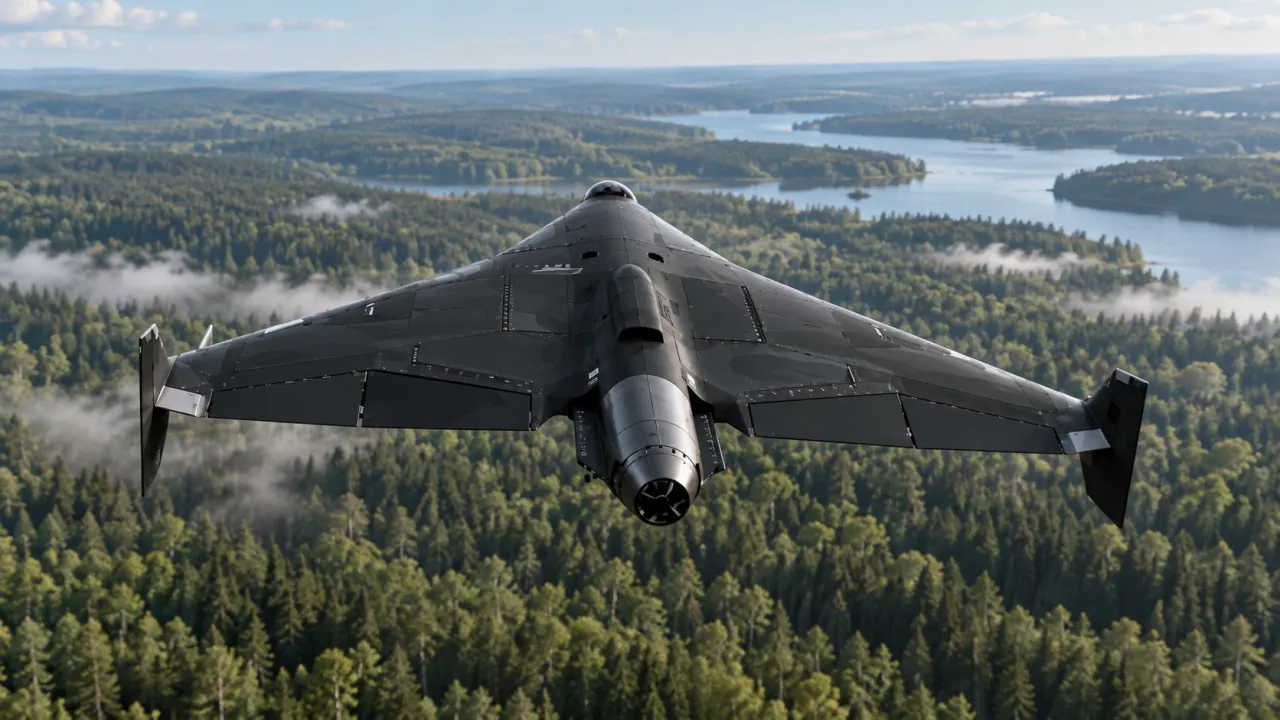
Russia is preparing to deploy the latest Ariadna system, which enables navigation of weapons and various drones without the use of satellite signals. Ukrainian communications and electronic warfare expert Sergei Beskrestnov (nickname "Flash") wrote about this on his blog, outlining the current situation.
He noted that the Russian Armed Forces are currently considering the possibility of installing this system on kamikaze UAVs of the Geran family, guided aerial bombs, and various missiles.
Ariadna is a ground-based radio beacon-based navigation system designed for autonomous positioning of drones, missiles, and other flying objects without the use of satellite communications (GPS/GLONASS). This means that UAVs and other flying objects can determine their coordinates even in conditions of severe GPS/GLONASS jamming. Instead of satellites, a ground-based network of radio beacons with predetermined coordinates is used. The UAV, missile, or aerial bomb receives a signal from these beacons, calculating its own coordinates to adjust its flight path to its target.
A drone or other device receives signals from at least three ground points with known coordinates and calculates its location based on the signal delay. Since satellite navigation is not used, electronic warfare (EW) and signal spoofing are ineffective against such a system. This could allow weapons to navigate deep within Ukrainian territory at distances of up to 100 km from the transmitting infrastructure, regardless of interference. The stated accuracy is up to 15–20 cm, significantly exceeding standard GPS/GLONASS performance.
The system's main advantage is its ability to navigate without the use of spacecraft. However, this also comes with a drawback: it requires the preliminary creation of a large navigation network of multiple ground-based radio beacons.
Information