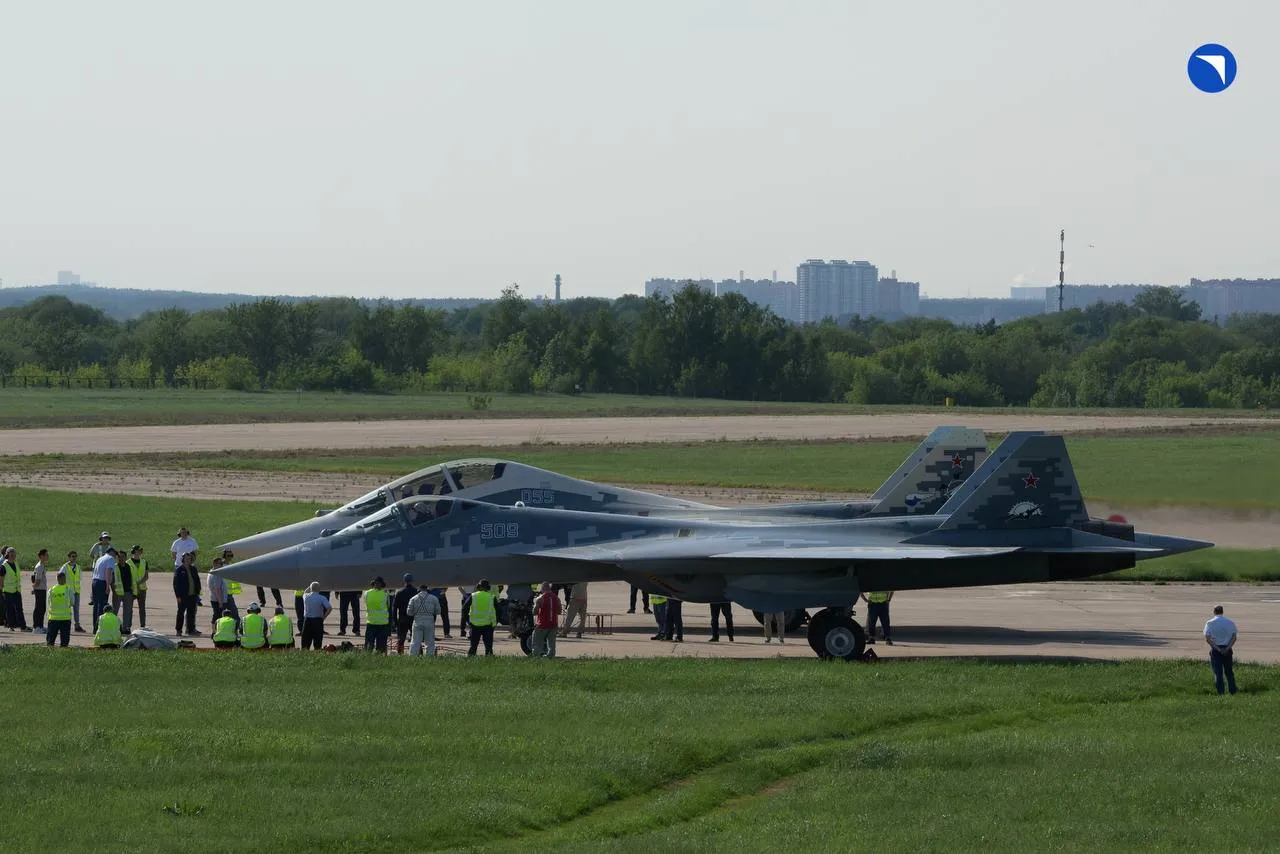
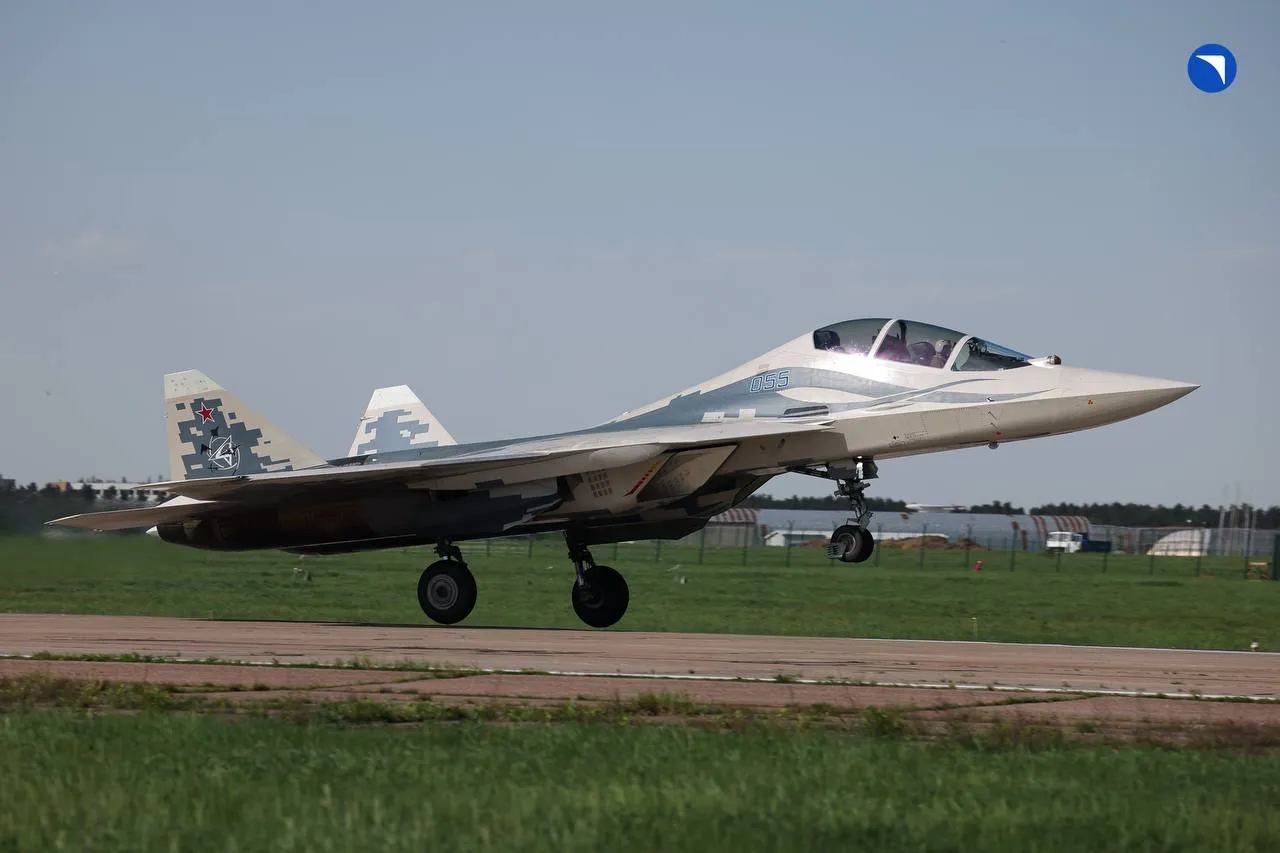
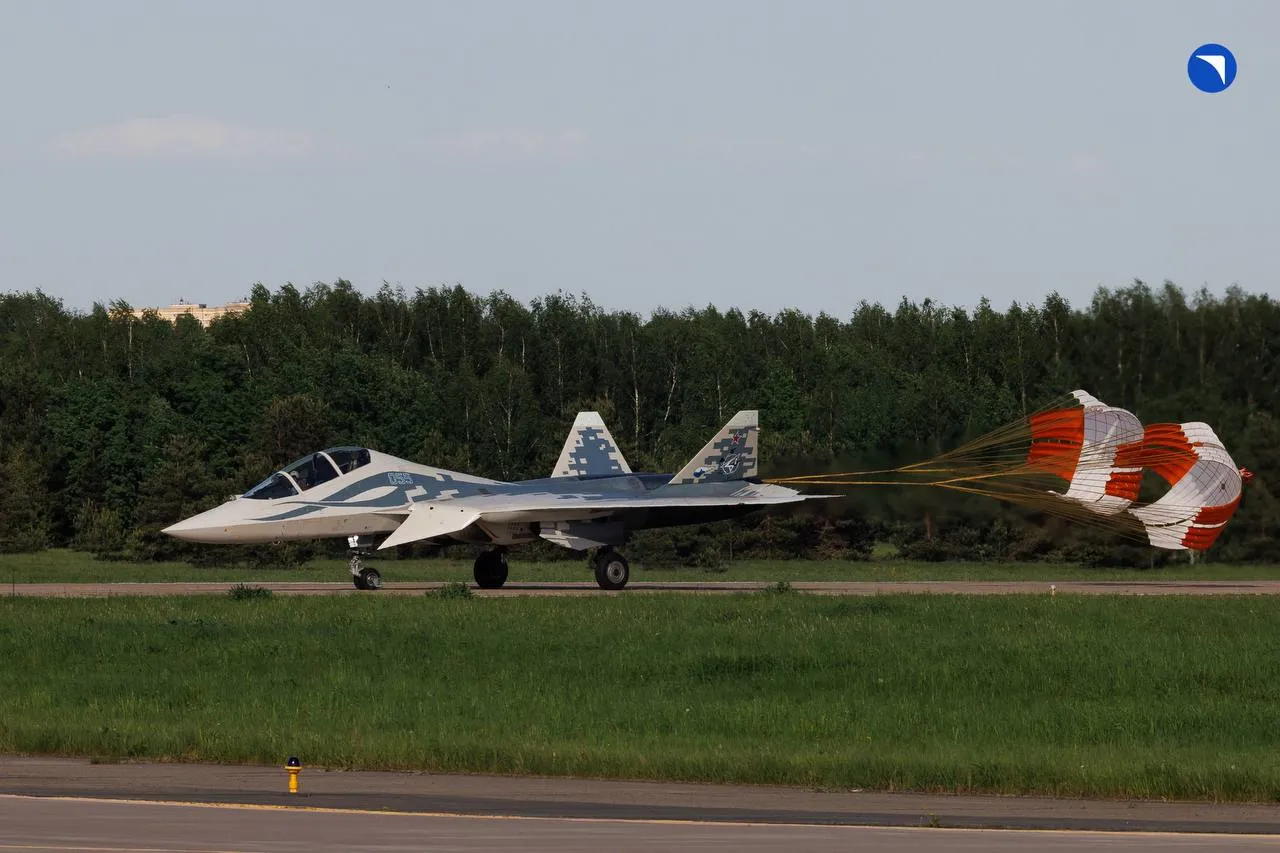
Footage of the first flight of the two-seat Su-57D fighter jet has been published.
3 323 9

The United Aircraft Corporation announced the start of flight tests of the two-seat version of the Su-57 fifth-generation fighter jet. Footage of the maiden flight of the Su-57D prototype was published by the corporation's press service.

The new aircraft's maiden flight was performed by Sukhoi Design Bureau Chief Pilot Sergei Bogdan, Hero of Russia. According to UAC, the test flight proceeded as planned and fully complied with the flight plan.


The corporation notes that the two-seat modification is being developed as a multifunctional platform, combining the capabilities of a modern combat aircraft and a combat training system. Furthermore, the aircraft will be able to serve as an airborne combat control center.
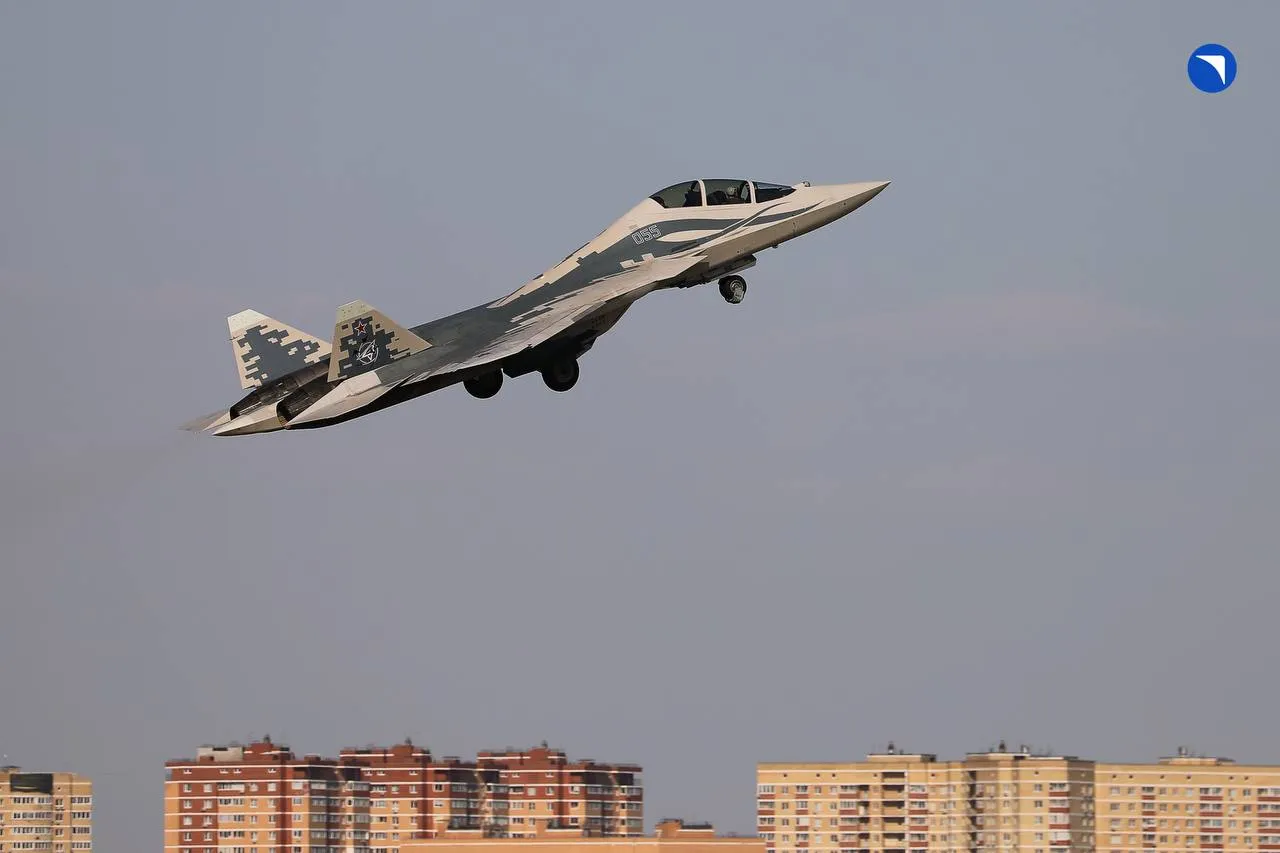
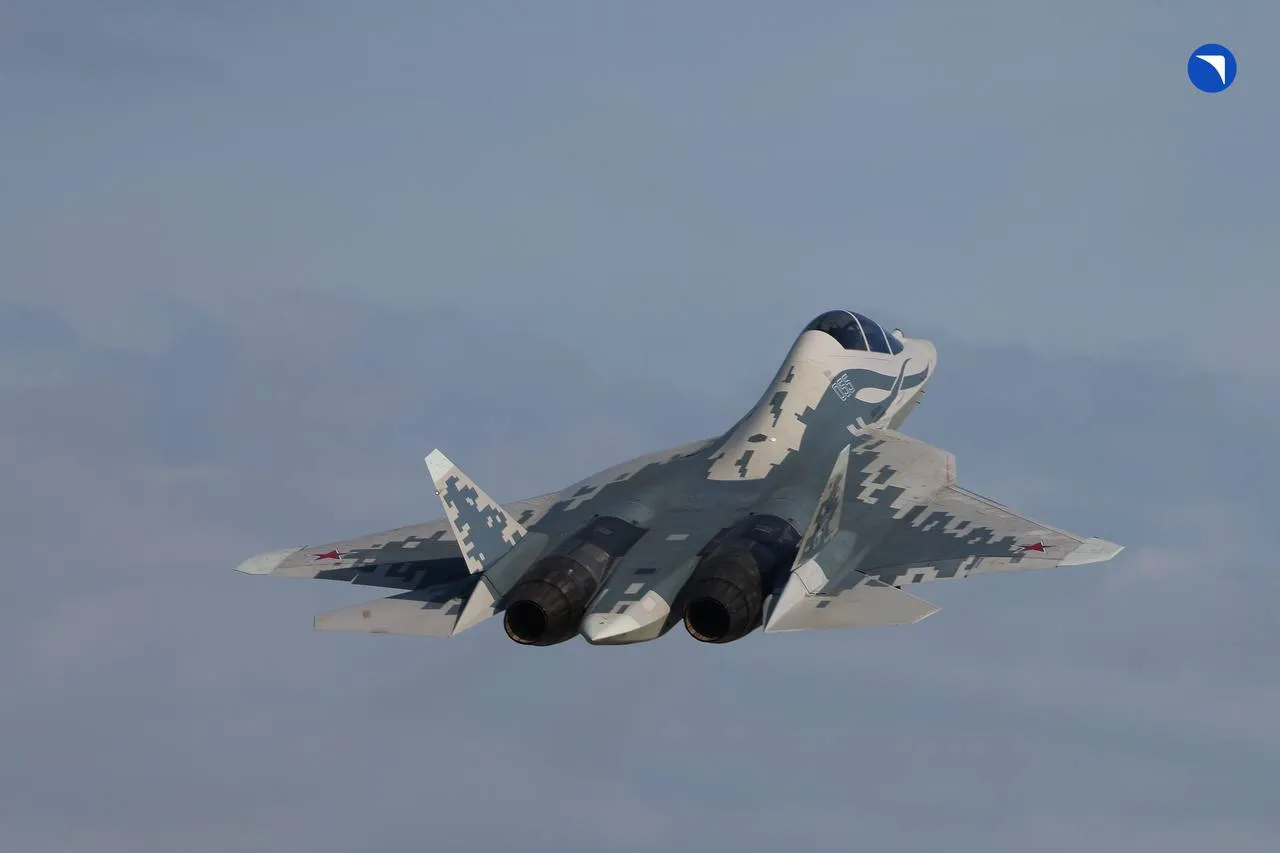
Footage of the first flight of the two-seat Su-57D fighter jet has been published.


First Deputy Prime Minister of Russia Denis Manturov stated that the development is being carried out proactively by Russian aircraft manufacturers and is aimed at expanding the capabilities of the Su-57 family.

Flight tests have begun on the prototype of the Su-57 fifth-generation two-seat fighter. This aircraft, developed proactively by our aircraft manufacturers, will boast unique combat capabilities, as well as trainer and combat control capabilities.

- he noted.


UAC CEO Vadim Badekha emphasized that work on improving the system continues, and the introduction of a two-seat version could increase the program's export potential.

According to him, the new modification should expand the functionality of the aircraft complex and increase the interest of foreign customers in the aircraft.

9 comments
Information
Dear reader, to leave comments on the publication, you must sign in.
  1. +1
    19 May 2026 21: 27
    Well done to the designers of this two-seat version of the Su-57, they managed to find a clever compromise in the cockpit design! good
    The raised canopy above the co-pilot's seat immediately catches the eye, providing him with a good view of the forward hemisphere as well!
    We probably lost a little bit of maximum speed (30-40 kilometers), but the second pilot will be able to fully control the plane even during takeoff and landing.
    And of course, we remember the unmanned "twins" of this fighter; now, with the presence of a separate pilot-operator, they will be easier to control in combat situations.
    Congratulations, P.O. Sukhoi Design Bureau (since my childhood as an aircraft modeler, I have considered, and, being an engineer, still consider, Pavel Osipovich to be our finest Soviet aircraft designer. In my youth, under the Soviet Union, I visited the site of that old school on the outskirts of Gomel, Belarus, where he taught in the 1920s, next to the pedestal with the Su-7 jet fighter-bomber in the schoolyard)! hi
  2. +2
    19 May 2026 21: 36
    Yes, such a two-seater is desperately needed beyond training. A single pilot can't handle the avalanche of combat tasks under current conditions.
    And the Indians wanted this option too. I think they were the main reason we tried! Because "our" incompetent managers don't know how to sell our top-secret aircraft to the gypsies who obey the Nagorno-Saxons without question.
  3. The comment was deleted.
  4. +1
    19 May 2026 21: 51
    Until we see the "Product 30" with a flat nozzle on production fighters, there's nothing much to discuss.
  5. -1
    20 May 2026 03: 37
    It's turned out very tall, and the front end looks significantly taller and heavier than the single-engine version. Although, looking at the design alone, the Su-57 has been refined to the "classic" humpbacked look of the fourth-generation Su-4s. They've restored, so to speak, the continuity of generations and the signature design. I wonder why this solution was chosen?
    1. -1
      20 May 2026 07: 36
      Because it's primarily a training aircraft. On a number of previous paired flights with other high-speed fighter types with shallower cockpits, instructors had to use something like a periscope during landing. It was quite a sensation.
      Well, in terms of speed characteristics, it's almost identical to the combat version, as is its maneuverability. They're already finishing testing with flat nozzles; two aircraft are apparently flying with them. But for training purposes, it's still better to fly with proven engines, as they're more reliable.
      1. +1
        20 May 2026 14: 12
        Honestly, I doubt it was designed as a training aircraft. There will certainly be UB variants. But they will still be primarily combat aircraft, housing weapons system operators. And the demand for such an aircraft, as you said, is "primarily" from India, whose requirements they were designed to meet. And Manturov and others' talk about increasing something is just empty talk. The country's $1,5 billion market and profits are the main motive behind Rostec's initiative. Because if this were purely for Russia, the Ministry of Defense would be the initiator and main newsmaker, but they're keeping quiet.
  6. 0
    20 May 2026 11: 07
    A significant bulkhead is visible behind the new cockpit, significantly increasing the useful volume. I wonder what they filled it with... It could be fuel or some additional electronics. If it's fuel, then we can talk about an increased combat radius for the two-seater version compared to the single-seater.
  7. +2
    20 May 2026 14: 35
    Indonesia looked at and bought the Rafale.
  8. 0
    22 June 2026 05: 19
    This is idiotic. It's easier to build a cockpit on a dual-seater Su-30 or 35 and train pilots. What kind of training are we talking about if the point of stealth in a two-seater cockpit is lost? It's like with the Ka-50, you need a second crew member. Where's your automation and AI? Right now, the plane should fly itself, find targets, and destroy them, and a second person on board proves that this has never happened and never will.